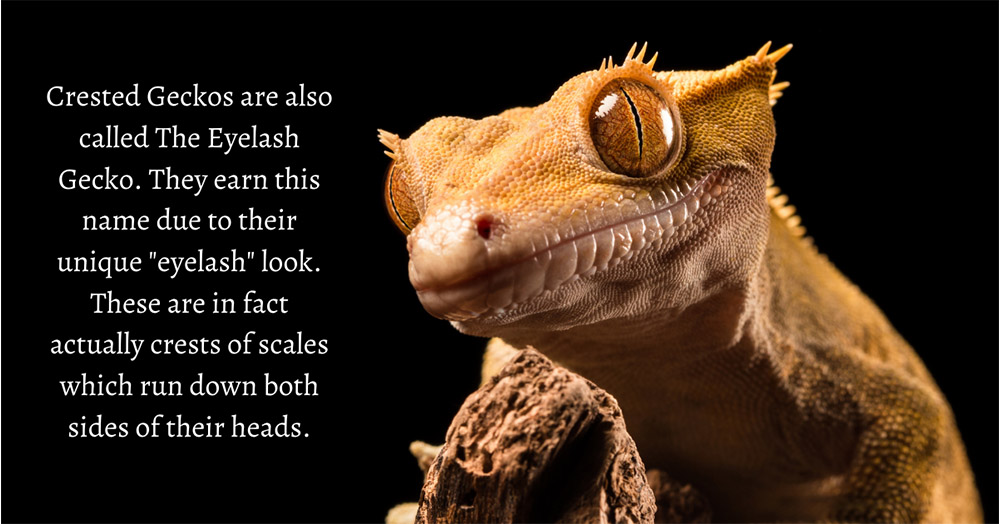
Crested Gecko Reptiles
Learn about crested gecko reptiles, a popular beginner-friendly pet. Discover their habitat needs, care requirements, and why they’re perfect for arboreal setups.
shop now
contact us
our categories
Crested Geckos: The Ultimate Pet Reptile Guide
Crested geckos have shot up in popularity across the USA, UK, and Canada. People love them for their chill attitude, wild looks, and the fact that they’re pretty easy to care for. Whether you’re just starting out or you’ve had a few reptiles before, crested geckos are a solid pick. Let’s get into what makes these geckos special—what they need, what they eat, how to set up their home, and why they’re not exactly social butterflies with other reptiles.
So, Are Crested Geckos Actually Reptiles?
A lot of newcomers ask this—and yes, crested geckos are 100% reptiles. They’re part of the Gekkonidae family, right there with other geckos. Just like all reptiles, they’re cold-blooded, lay eggs, and depend on outside heat to keep their body temp up. If you’re still on the fence, trust me: crested geckos are reptiles through and through.
Are Crested Geckos Tropical?
Yep. These geckos come from New Caledonia, which is warm, humid, and kind of dreamy if you’re a reptile. That means crested geckos do best with moderate humidity and temps between 72–78°F (22–26°C). Unlike desert reptiles, they don’t need blazing hot lamps. So, they’re much easier to keep happy indoors, whether you’re in North America or the UK.
Why Are Crested Geckos So Popular?
There’s a bunch of reasons people keep coming back to crested geckos:
They’re way easier to care for than a lot of other reptiles.
You don’t need fancy, high-powered UVB lights.
They’re calm and usually handle being picked up pretty well.
There’s a huge range of colors and patterns to choose from.
With good care, they can stick around for 15–20 years.
Experts like Clint from Clint’s Reptiles often recommend them for beginners. Honestly, if you’ve seen one of his videos, you know how forgiving and tough these geckos can be.
What Do Crested Geckos Eat?
Feeding crested geckos isn’t hard. Most people go for Pangea Reptile food—a powdered mix you just add water to. It’s got all the vitamins, minerals, and protein your gecko needs. Every now and then, you can give them live bugs like crickets or dubia roaches for variety. A balanced diet keeps them growing, shedding, and looking their best.
Can Crested Geckos Live With Other Reptiles?
People Google this all the time, and the answer’s simple: don’t do it. Crested geckos shouldn’t share a tank with other reptile species. Every reptile has its own needs—different food, different temps, different habits. Mixing them can mean stress, injuries, sickness, or worse.
Even putting two crested geckos together can be risky, especially males. If you’re asking “what reptiles can live with crested geckos?” the real answer is none. They’re better off alone.
How to Set Up a Crested Gecko Habitat
A good home for your crested gecko is vertical—a tall terrarium with lots of climbing branches, some live or fake plants, and a few places to hide. Keep humidity between 50–70% and spray the tank daily so your gecko can shed and stay hydrated.
They love to climb, so height matters more than floor space. This setup works in apartments or houses, no matter where you live.
The Bottom Line on Crested Geckos
Crested geckos really are one of the top pet reptiles out there. They look amazing, don’t ask for much, and are great for beginners or seasoned keepers alike. If you’re still deciding if they’re right for you, just know they’re a favorite for a reason.
With the right care, food, and setup, crested geckos can live for decades. They’re fascinating, rewarding, and might just be the reptile buddy you’ve been looking for.
our products
Crested Geckos: Why Everyone’s Talking About These Tropical Reptiles
Crested geckos used to be something only hardcore reptile fans talked about, but now? They’re showing up everywhere. People in the USA, UK, and Canada can’t seem to get enough of them. You see them all over Instagram and YouTube, and even the experts recommend them. Honestly, it’s not hard to see why. They look amazing, they’re easy to care for, and they fit right in—whether you’ve got a big house or just a small apartment.
Thinking about getting a crested gecko? Here’s the real story, plain and simple.
First off—yeah, crested geckos are reptiles, not amphibians. People get that mixed up all the time online. But these guys are cold-blooded, breathe air, lay eggs—the usual reptile stuff. They’re part of the gecko family, so if you were wondering, you’ve got your answer.
Now, are crested geckos tropical reptiles? Absolutely. They come from New Caledonia, which is basically a humid, warm island paradise. So, yes, they’re tropical through and through. But here’s the cool part: they don’t need desert-level heat or fancy lighting. Regular room temperature is just fine, so they work great for people in places like Canada or the UK—no need to turn your living room into a sauna just to keep them comfortable.
Best Reptile Pets for Beginners? Crested Geckos Are High on the List
A lot of folks just getting into reptiles start with crested geckos. Channels like Clint’s Reptiles talk about them all the time, pointing out how chill and easy they are compared to other species. You don’t need to mess with complicated heating setups. They don’t have strict UVB requirements. They’re calm, handle well, and come in all sorts of wild colors and patterns. Plus, they can stick around for 15 to 20 years—pretty impressive for a pet that doesn’t ask for much.
What Do Crested Geckos Eat?
Feeding them is a breeze. Most owners just use a powdered diet like the one from Pangea—mix it with water, and you’re done. It’s got all the nutrition they need, so you don’t have to worry about wrangling live insects every day. Sure, you can give them a bug once in a while if you want, but it’s not a must.
Can Crested Geckos Live With Other Reptiles?
This one trips people up. Lots of new keepers ask if you can put crested geckos with other reptiles. The short answer? Don’t. Different reptiles need different temperatures, humidity, and space. Mix them together, and you’re asking for trouble—stress, injuries, you name it. Crested geckos just do better solo.
Setting Up the Perfect Home for Your Crested Gecko
Since crested geckos love to climb, give them a tall tank with lots of branches, plants, and hiding spots. Keep the temperature between 72–78°F (22–26°C) and the humidity at 50–70%. Mist the enclosure every day. A vertical terrarium is way better than a wide, flat tank. This setup works just as well in a city apartment as it does in a house out in the country.
Why Crested Geckos Keep Popping Up Everywhere
Crested geckos keep trending because they’re easy to care for, they look awesome, and they’re perfect for quick, eye-catching Instagram shots. Plus, there’s a lot to learn about them, and they fit right into the lifestyle of anyone who loves unique pets. Whether you found them through a viral video or a friend who can’t stop talking about them, crested geckos keep topping the “best reptile pet” lists.
Bottom Line: Are Crested Geckos Worth It?
If you want a low-maintenance, friendly reptile that doesn’t need a ton of special care, crested geckos are a solid pick. They’re great for beginners, apartment living, or anyone who just wants a cool pet without all the hassle. Learn what they need, keep them solo, and you’ll have a happy, healthy gecko for years to come.
Thinking about getting a crested gecko?
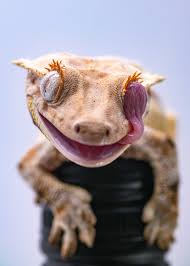
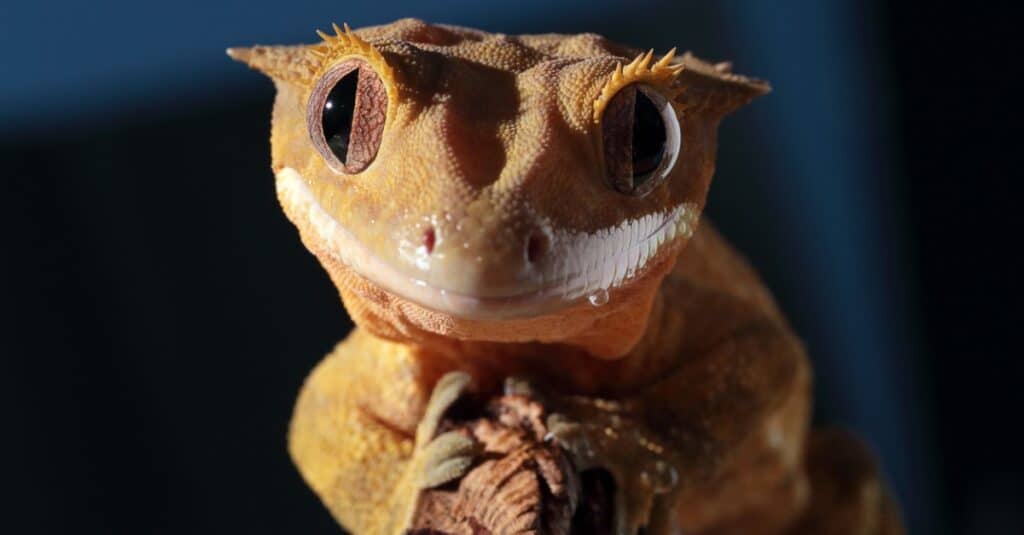
You’re in good company. These quirky little reptiles have a way of charming just about everyone, whether you’re new to pets or you already have a house full of critters. People love them for those big, curious eyes and the frilly “eyelashes” that run from above their eyes down their backs. And honestly, they’re pretty much the definition of low-maintenance.
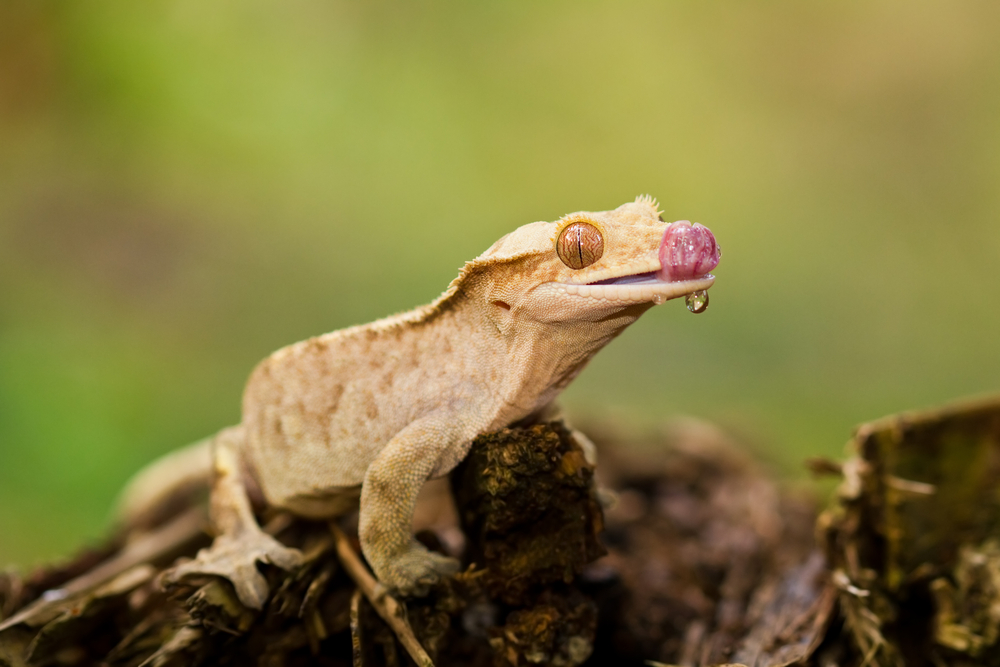
Crested geckos—sometimes called eyelash geckos—come from the treetops of New Caledonia. They’re calm, easygoing, and they don’t get too big. That’s why so many folks, from beginners to seasoned reptile fans, pick them as their next pet.
Why do so many people go for crested geckos?
Well, for starters, they’re easier to care for than a lot of other reptiles. You don’t have to fuss with complicated heating or lighting setups, which makes them perfect for apartments or small spaces. They come in tons of colors and patterns, and most are pretty friendly when handled. Plus, if you’re in the USA, UK, or Canada, finding a good breeder or reptile shop that sells them isn’t hard at all.
Let’s talk about how long you’ll have your gecko buddy around. Crested geckos live a surprisingly long time—usually 15 to 20 years if you take care of them right. Some even go beyond that. Good food, a clean tank, and the right supplies help them thrive. Taking one home is a long-term thing. If you’re looking for a pet that sticks with you, these geckos fit the bill.
Getting their setup right is important. You’ll want a tall, well-ventilated terrarium, since crested geckos love to climb. Add some sturdy branches and a mix of fake or live plants. Food ledges, water dishes, and a substrate that holds humidity are must-haves. Don’t forget a digital thermometer and hygrometer so you can keep an eye on temperature and moisture. The nice thing? They’re happy at regular room temps, so you don’t need fancy heat lamps—great news if you live somewhere chilly.
Feeding them is simple. Crested geckos mostly eat fruit, and there are powdered diets made just for them that you mix with water. Offer an insect here and there for variety, but you don’t have to do it every day. Keep their water fresh, mist their enclosure regularly, and stick to a feeding routine, and you’re set.
So, should you get a crested gecko?
If you want a pet that’s beautiful, easy to care for, and sticks around for years, they’re hard to beat. As long as you’re ready for the commitment—and have the basic supplies—they settle in quickly and develop pretty charming personalities.
Bottom line: Bringing home a crested gecko means adding a fun, gentle, and long-lived reptile to your life. Whether you’re just starting out or you’ve been keeping reptiles for years, these geckos are a top pick for good reason.
Buy a Crested Gecko Online: Lifespan, Care, and Supplies for New Owners
Lately, more people are searching for crested geckos online. It’s not just some passing fad—people really are changing how they pick out new pets. The eyelash crested gecko stands out for a reason. They’re calm, quiet, and honestly just fun to look at with those expressive crests above their eyes. Whether you live in a small apartment or you’ve kept reptiles for years, these geckos have become a favorite across the USA, UK, and Canada.
If you’re wondering where to buy a crested gecko or how to do it safely, you need to know what you’re getting into. That means understanding how long they live, what kind of care they need, and what supplies to pick up before bringing one home.
Why Go for an Eyelash Crested Gecko?
Those raised “eyelashes” give crested geckos a unique, almost friendly look. They’re gentle, easy to handle, and don’t get stressed out easily. That’s why so many first-time owners pick this species. People often recommend them as an easy starting point for anyone new to reptiles, and they fit perfectly into apartment life or busy routines.
What to Know Before You Buy
Before you jump in and buy a crested gecko online or nearby, remember: you’re signing up for a long-term commitment. A lot of new owners don’t realize just how long these little guys can live, or how much daily care they actually need.
Here’s what you should know up front:
– They can live a really long time in captivity
– They need a tall enclosure with space to climb
– Daily misting and regular feeding are a must
– Good reptile supplies matter—a lot
Always pick a captive-bred gecko from a trusted seller. You get a healthier, friendlier pet that way.
How Long Do Crested Geckos Live?
People ask about crested gecko lifespans all the time. With solid care, they stick around for 15 to 20 years. It’s all about the basics: proper food, the right kind of enclosure, and keeping stress low. That’s true whether you hear them called crested geckos or eyelash crested geckos—they’re the same animal, with the same long life.
If you want a reptile that’ll be with you for years, you can’t really beat a crested gecko.
What Supplies Do You Need?
Getting your supplies right is half the battle. The good news is, you don’t need a crazy shopping list to get started.
Here’s what you’ll want:
– A vertical terrarium (since they love climbing)
– Branches, plants, and places to hide
– A substrate that keeps things humid
– Digital thermometer and hygrometer for temperature and humidity
– Feeding ledge and a water dish
Start with quality stuff, and you’ll save yourself a lot of headaches—and vet bills—down the road.
Setting Up the Enclosure
Don’t think floor space; think height. Crested geckos want to climb and explore, so stack that enclosure with branches and décor. Keep humidity steady, keep the temperature in the right range, and you’ll see them thrive. This setup works just as well whether you’re in the States, the UK, or Canada.
Feeding and Daily Care
Taking care of a crested gecko isn’t tough. Most do great on a powdered diet mixed with water, with occasional bugs or fruit as treats. Set a feeding schedule and stick to it. Mist the enclosure daily to keep humidity up. That regular routine keeps your gecko healthy and stress-free.
Is a Crested Gecko Right for You?
If you want a calm, easygoing reptile that doesn’t need tons of attention, you’ll probably love having a crested gecko. They’re perfect for beginners but still fun for experienced keepers. Whether you want something affordable or you’re deep into researching tropical species, crested geckos always make the list of best pet reptiles.
Final Thoughts
Getting a crested gecko is a solid choice if you’re ready to stick with it and provide good care. With the right setup and a little daily attention, your gecko can live a long, healthy life.
So, if you’re thinking about buying a crested gecko online or locally, do your homework first. Learn what they need, set up their home, and then enjoy one of the most rewarding reptiles you can own.
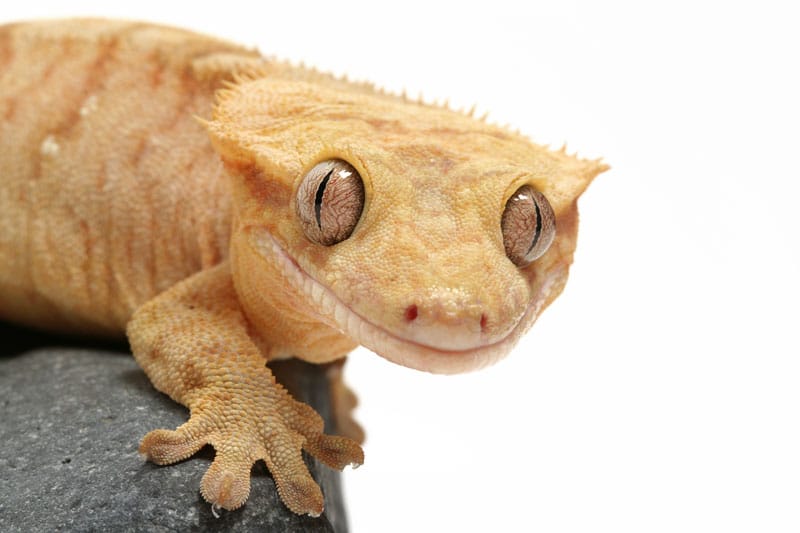
Crested Gecko Reptiles
Geckos Reptiles: Everything You Need to Know About These Fascinating, Beginner-Friendly Pets
Geckos are some of the most interesting and adaptable reptiles you can keep as pets. You’ll find them in rainforests, deserts, and just about everywhere in between—they’re that good at making themselves at home. Because they’re small, have cool personalities, and don’t ask for much, geckos are a top pick for both new and experienced reptile owners.
Let’s dig into what makes geckos so popular, what kinds are out there, how to care for them, and why people across the USA, UK, and Canada can’t seem to get enough of these little lizards.
Are Geckos Reptiles or Amphibians?
People just starting out often wonder: are geckos reptiles or amphibians? The answer’s simple—geckos are reptiles. Like all reptiles, they’re cold-blooded, breathe air, and depend on the temperature around them to stay comfortable. Knowing this helps you set up the right home, lighting, and humidity for your gecko so they stay healthy.
Why Geckos Make Great Pets for Beginners
Geckos are one of the best reptiles for first-time owners. They’re usually calm, don’t need a ton of space, and can handle a few small mistakes as you learn. Some of the most popular pet geckos are crested geckos, leopard geckos, and gargoyle geckos—each has its own quirks and care needs.
Here’s why geckos are such a good fit for new owners:
They eat simple diets
They don’t need a huge tank
They’re quiet and don’t smell much
You can find them easily from reputable breeders
If you’re searching for easy reptiles to keep as pets, geckos are hard to beat.
Types of Geckos You’ll See as Pets
There are lots of gecko species out there, but only some of them really do well in captivity. The most common pet geckos fall into two main groups: climbers (arboreal) and ground-dwellers (terrestrial).
The favorites include:
Crested geckos
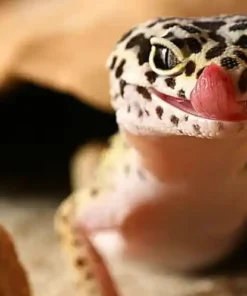
Leopard geckos
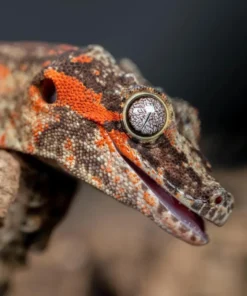
Gargoyle geckos
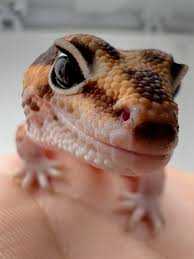
African fat-tailed geckos
Each one has its own needs for temperature and humidity, so it’s worth researching before you choose.
Habitat and Basic Care for Geckos
Giving your gecko the right home is key. If you’ve got a climber, they’ll want a tall tank with branches and plants. Ground-dwellers need plenty of floor space and places to hide.
Here’s what every gecko needs:
A setup that fits their species
A stable temperature gradient
The right humidity
Fresh, clean water
A regular feeding schedule
Most geckos don’t need super-hot lights or special bulbs, which means they’re perfect for indoor homes—even in cooler places like the UK or Canada.
What Do Geckos Eat?
Gecko diets depend on the species. Some love insects, others go for fruit, and a few eat both. There are commercial gecko foods now that make things even easier for new keepers.
Knowing what your gecko eats every day keeps them healthy and cuts down on nutrition problems.
How Long Do Geckos Live?
A lot of people don’t realize pet geckos can live a long time—often 10 to 20 years if you take good care of them. So, bringing one home isn’t just a quick commitment. It’s a long-term relationship.
Giving them the right food, a clean tank, and good care really does make a difference in how long they live.
Are Geckos Good Pets for Apartments?
Absolutely. Geckos are one of the best low-maintenance reptiles for apartments. They’re quiet, don’t need a huge setup, and don’t have much of an odor. Perfect for smaller spaces.
If you’re living in a city in the USA, UK, or Canada, geckos are a great way to get into reptile keeping without needing a ton of room.
Final Thoughts
Geckos keep getting more popular, and it’s easy to see why. They’re beautiful, interesting, and easy to care for once you have the basics down. Whether you’re just starting your research or looking to add another reptile to your collection, geckos offer variety, personality, and years of companionship.
With the right knowledge and prep, your gecko can thrive and be a rewarding pet for a long time.
Geckos Reptiles: Why Everyone Wants These Small Exotic Pets
Geckos are quietly taking over as the go-to exotic pet across the USA, UK, and Canada. Not long ago, they felt like a niche choice, but now you’ll spot them everywhere. They pop up in apartments, star in viral videos, and win people over with their mellow personalities, small size, and low-maintenance care.
Ever wonder why geckos keep showing up in your Google Discover feed? It’s pretty simple. They’re easy for beginners, genuinely eye-catching, and they fit into busy, modern lives much better than most traditional pets.
Are Geckos Reptiles or Amphibians?
People new to geckos always ask the same question: are geckos reptiles or amphibians? Here’s the answer—geckos are reptiles. They’re cold-blooded, they lay eggs, and they need their environment to keep their bodies at the right temperature. Oh, and they breathe air their whole lives.
Knowing this stuff matters. It shapes everything about their care—how you set up their tank, manage humidity, and get the heating right. If you want a healthy gecko, you have to get these basics down.
Why Geckos Are a Great Fit for Modern Homes
Geckos are often the top pick for people just getting into reptiles. They don’t need huge tanks, they’re not noisy, and you don’t have to handle them constantly. Most types stay pretty chill, they’re fine with gentle handling, and they do well inside.
So if you’re living in an apartment, short on space, or just want a simple pet, geckos check those boxes.
Types of Geckos People Keep as Pets
Not all geckos want the same things. Some like to climb and need vertical space, while others stick close to the ground. Picking the right species makes a big difference for new owners.
Popular choices include:
Crested geckos
Leopard geckos
Gargoyle geckos
African fat-tailed geckos
Each one brings something different—looks, personality, and care needs. That’s a big reason why so many people get hooked on geckos.
Basic Care for Geckos
One of the biggest questions people have is about basic care for geckos. The good news? It’s not complicated. Most geckos need:
The right kind of enclosure
Stable temperatures
Proper humidity
Fresh water
A regular feeding schedule
You don’t usually need fancy heat lamps or special lighting, which makes geckos a breeze to care for in cooler places like the UK or Canada.
What Do Geckos Eat Every Day?
Diet depends on the species, but lots of new owners want to know: what do geckos eat daily? Some geckos love live insects. Others do well on commercial gecko food, or a mix of both.
Those packaged diets make life way easier for beginners. They help keep your gecko healthy and make feeding less stressful.
Gecko Lifespan: It’s a Real Commitment
A lot of people are surprised by how long geckos live. With good care, many species stick around for 10 to 20 years. So bringing home a gecko isn’t a quick fling—it’s a real commitment.
Keeping them healthy comes down to routine care, cleanliness, and feeding them right.
Are Geckos Good Pets for Apartments?
Absolutely. Geckos are quiet, don’t smell, and don’t need much space. That’s why so many people living in cities pick them as pets. You get all the fun of owning something exotic, without the noise or mess that comes with bigger animals.
Why Geckos Keep Trending on Google Discover
Google Discover loves geckos for a reason. They look cool, they’re easy for beginners, and they’re educational without being boring. Plus, they fit right in with today’s lifestyle trends.
Geckos tick every box—unique, low-maintenance, and always interesting.
Final Thoughts
Geckos aren’t just another exotic pet—they’re the perfect way to dive into reptile ownership. Whether you want something low-maintenance or you’re just curious, geckos offer variety, long lifespans, and plenty of personality in a small package.
That’s why people keep searching for them, recommending them, and sharing them all over Google Discover. Geckos are here to stay.
Looking to buy a crested gecko?
You’re in good company. These little reptiles have become favorites all over the world, and it’s easy to see why. They’re striking to look at, mellow by nature, and they don’t ask for much in the way of care. Whether you’re just getting started with reptiles or you’ve been at it for years, picking up a crested gecko is an experience you won’t regret.
This guide walks you through everything—how to find crested geckos for sale, what kind of prices you’ll see, and how to make sure you’re actually bringing home a healthy, happy gecko from a seller you can trust (no matter if you’re in the USA, UK, or Canada).
Why Do People Love Crested Geckos?
There’s just something about their “eyelash” crests, running from eye to tail, that makes them stand out. They look a bit like something out of a fantasy novel, honestly. Even though crested geckos originally came from New Caledonia, they’re now bred in captivity all over the place.
They’re also a smart pick for beginners. Here’s why:
You don’t need a bunch of fancy equipment.
They’re comfortable in regular room temperatures—no special UVB lights required.
They’re gentle and easygoing.
Since they’re nocturnal, you’ll actually see them doing their thing in the evening.
And yes, if you’re still wondering, they’re definitely reptiles—cold-blooded and all. Perfect if you’re into exotic pets.
Where Do You Actually Find Crested Geckos for Sale?
Maybe you’ve typed “crested gecko for sale near me” into Google. Sometimes local pet stores have them, but honestly, the best bet is usually a reputable breeder or a shop that specializes in reptiles.
If you look online (“buy crested gecko” or “buy geckos online”), you’ll find way more options. You can see details about their genetics, color morphs, and how to care for them. Just make sure the seller is legit—look for live arrival guarantees and clear policies about the gecko’s health.
What’s the Price Tag on a Crested Gecko?
Prices are all over the map. Age, color, and lineage play a big role. Most crested geckos run between $40 and $150, but rare colors or patterns can go much higher.
If you see a gecko priced suspiciously low, take a step back—cheap usually means unhealthy or poorly bred. Good breeders put the work in, and their prices reflect that.
What Should You Look for When Buying?
A few things matter most:
Health first. The gecko should have clear eyes, smooth skin, and should be alert. Skip any that look injured or sluggish.
Age. Young geckos adapt quickly but need more attention. Adults are sturdier, but sometimes pricier.
Color and pattern. Pick what you like! There are tons of morphs out there.
Seller reputation. Buy from people with good reviews and straightforward policies.
Setting Up a Home for Your Crested Gecko
Once you’ve got your gecko picked out, it’s time to set up their space. These guys love to climb, so go for a tall tank with lots of branches and plants.
Here’s what you’ll need:
A vertical terrarium with solid airflow
A substrate that holds onto moisture, like coconut fiber or reptile bark
A good thermometer and hygrometer to track temperature and humidity
Fresh water and a feeding dish (they do well on commercial gecko diets, or you can add in live bugs)
Keep the humidity between 60% and 80%, and the temperature from 72°F to 78°F (22°C to 25°C). If you can manage that, your gecko’s going to feel right at home.
Why Buy From Us?
At [Your Website Name], we’re all about crested geckos—healthy, captive-bred, and backed by real guarantees. Whether you just want to browse, or you’re ready to order a gecko online, here’s what we offer:
Only healthy, captive-bred geckos, with a health guarantee
Care guides to help you every step of the way
Fast, safe shipping to the USA, UK, and Canada
Friendly, knowledgeable support for all your questions
How to Shop for Geckos Online (and Not Get Burned)
Buying a reptile online can feel risky. Here’s how to do it right:
Research the seller. Dig into their reviews.
Double-check their shipping methods and live arrival guarantee.
Ask for photos or videos of the exact gecko before you buy.
Read their return and refund policies.
And make sure your gecko’s new home is all set up before they arrive. That way, you’re ready for your new scaly friend the moment they come through the door.



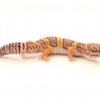 Chocolate Albino Leopard Gecko
$40.00
Chocolate Albino Leopard Gecko
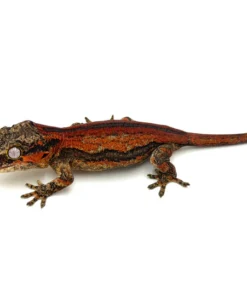
$40.00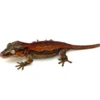 Dark Red Striped Gargoyle Gecko
$435.00
Dark Red Striped Gargoyle Gecko
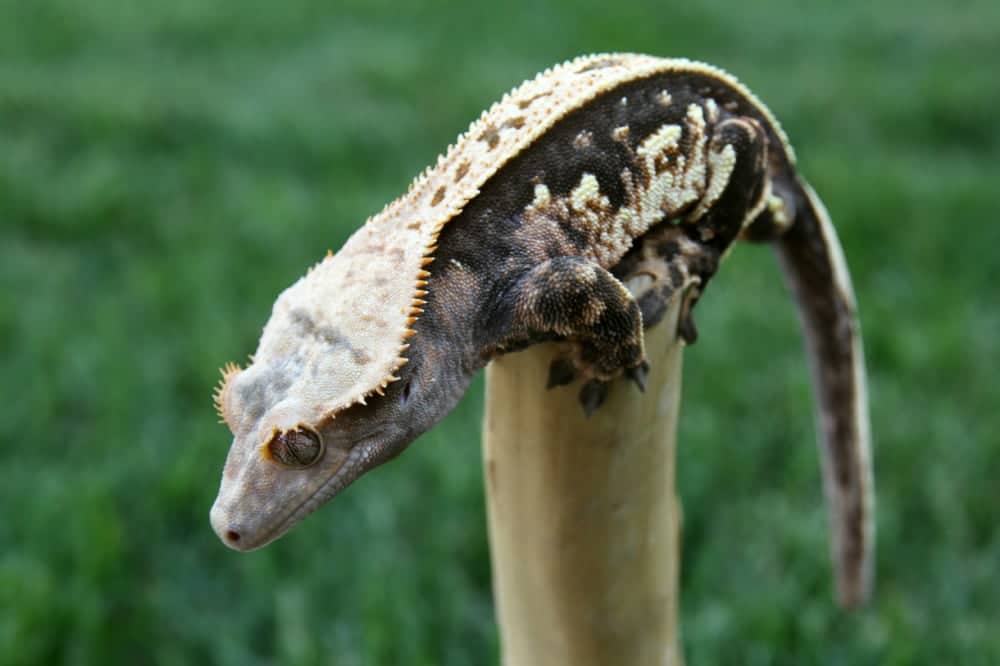
$435.00 Male Brindle Crested Gecko CB25
$75.00
Male Brindle Crested Gecko CB25
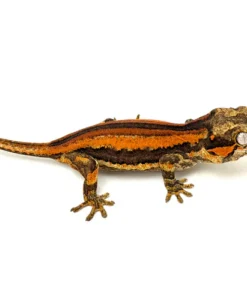
$75.00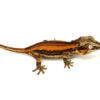 Red Six Striped Gargoyle Gecko (Pennywise offspring)
$365.00
Red Six Striped Gargoyle Gecko (Pennywise offspring)
$365.00 Male Inkspot Dalmatian Crested Gecko CB
$195.00
Male Inkspot Dalmatian Crested Gecko CB
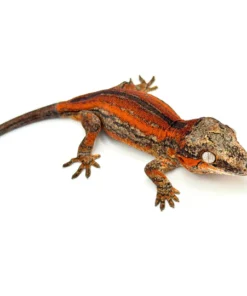
$195.00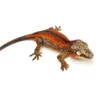 Red Striped Gargoyle Gecko (DEADPOOL offspring)
$1,215.00
Red Striped Gargoyle Gecko (DEADPOOL offspring)
$1,215.00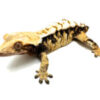 Female Tricolor Harlequin (dropped tail) Crested Gecko CB
$200.00
Female Tricolor Harlequin (dropped tail) Crested Gecko CB
$200.00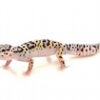 Mack Snow Leopard Gecko
$40.00
Mack Snow Leopard Gecko
$40.00